performs PCB fabrication assembly
PCB fabrication assembly is a specialized process that requires expertise in both the design and manufacturing of printed circuit boards (PCBs). This process is typically performed by PCB manufacturers and contract manufacturers who possess the necessary tools, equipment, and skilled labor to create functional and reliable PCBs. The individuals and organizations involved in PCB fabrication assembly must be proficient in various aspects of electronics, including design, soldering, testing, and quality control. Understanding who performs this process sheds light on the complexity and importance of this stage in the production of electronic devices.
PCB Manufacturers are the primary entities responsible for the fabrication aspect of the process. These companies specialize in the production of PCBs from raw materials to finished boards. They are involved in a variety of tasks, such as selecting appropriate substrates, applying copper layers, and creating the electrical traces that interconnect components. These manufacturers typically offer services that range from simple single-layer boards to complex multi-layer, high-density designs. The process involves several steps, including etching, drilling, plating, and adding a soldermask and silkscreen. PCB manufacturers usually operate advanced machinery and automated systems to handle these steps efficiently, ensuring precision and consistency in each unit.
Once the PCB fabrication is completed, the PCB assembly process begins. This is where contract assembly houses or electronics manufacturing services (EMS) providers come into play. These companies are responsible for placing the electronic components onto the fabricated PCB, a process that requires a high level of technical expertise. Contract manufacturers often work in partnership with PCB manufacturers or directly with the customer to assemble the boards according to specific design requirements. They use automated equipment like pick-and-place machines for placing components and reflow soldering for soldering the components onto the board. These assembly services are highly specialized and can vary depending on the components being used, the type of soldering needed, and the volume of production.
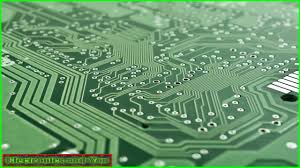
Who performs PCB fabrication assembly?
In some cases, in-house engineering teams at large companies may handle PCB fabrication assembly. For instance, in industries like automotive, medical, or aerospace, where the quality and functionality of the PCBs are critical, companies may choose to bring the fabrication and assembly processes in-house. These teams have the expertise to handle everything from the initial design to the final assembly and testing. In-house teams typically perform PCB fabrication assembly for smaller runs or prototype production, where customization and quality control are more important than mass production efficiency.
Design engineers are also essential contributors to the PCB fabrication assembly process, though they are not directly involved in the physical assembly. These professionals are responsible for creating the schematics and layout of the PCB, ensuring that the design meets electrical, mechanical, and functional specifications. They work closely with manufacturers and assembly teams to ensure that the design is viable and manufacturable. Their expertise in circuit design and layout optimization is crucial for ensuring that the PCB will function correctly when assembled.
The quality control (QC) specialists and testing engineers play a significant role in the PCB fabrication assembly process as well. After the components are placed and soldered, the boards undergo rigorous testing to verify their functionality. QC specialists perform various tests, such as automated optical inspection (AOI), in-circuit testing (ICT), and functional testing, to ensure the assembled boards meet the required performance standards. They also identify and correct any defects that may have occurred during the fabrication or assembly process. These experts ensure that the final product is reliable and can perform in real-world applications.
Finally, logistics and supply chain managers are crucial to the PCB fabrication assembly process, especially in large-scale manufacturing. They coordinate the procurement of materials, manage inventory, and ensure that the assembly process runs smoothly. Their role ensures that the right components and materials are available when needed, and they help keep production on schedule.
In conclusion, PCB fabrication assembly is performed by a combination of PCB manufacturers, contract assembly houses, in-house engineering teams, and quality control specialists. Each plays a critical role in ensuring the successful production of high-quality, functional PCBs. Whether for consumer electronics, automotive systems, medical devices, or industrial applications, the individuals and organizations involved in PCB fabrication assembly work together to create the foundation for the electronic products that power our modern world.