circuit board assembly line
A circuit board assembly line is a structured production setup where various components are assembled onto a printed circuit board (PCB) to create functional electronic devices. This assembly process is a critical step in the manufacturing of electronics, influencing product quality, reliability, and cost-effectiveness. Understanding the components and operations of a circuit board assembly line can provide insights into how electronic devices are produced on a large scale.
The circuit board assembly process typically involves several stages, including surface mount technology (SMT), through-hole assembly, soldering, inspection, and testing. The assembly line is designed to optimize the workflow, ensuring that each stage is efficiently executed to maintain a high production rate while minimizing errors. The process begins with the preparation of the bare circuit boards, which are then populated with electronic components according to specific design requirements.
One of the most prevalent methods used in circuit board assembly is Surface Mount Technology (SMT). In SMT, electronic components are mounted directly onto the surface of the PCB, which allows for higher density and smaller footprints compared to traditional through-hole methods. Automated machines, known as pick-and-place machines, are used to position the components accurately on the circuit board. These machines can operate at high speeds, significantly increasing the assembly line’s throughput. After the components are placed, the boards undergo soldering, usually via reflow soldering, where solder paste is melted to create electrical connections.
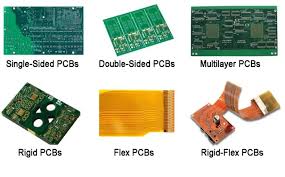
What is a circuit board assembly line?
While SMT is widely used, through-hole assembly remains relevant, particularly for components that require enhanced mechanical stability or higher power ratings. In this method, leads from components are inserted into holes drilled in the PCB and then soldered from the opposite side. Although this method is generally slower than SMT, it is crucial for certain applications, especially in the aerospace and automotive industries where reliability is paramount.
Soldering is a critical phase in the circuit board assembly line, as it ensures the electrical connectivity of components. Various soldering techniques are employed, including wave soldering and selective soldering, each suited to different types of assemblies and component layouts. The choice of soldering technique can impact the quality and longevity of the connections, making it essential for manufacturers to select the appropriate method based on the specific requirements of the circuit board.
Quality control is an integral part of the circuit board assembly line. After soldering, boards undergo inspection to identify any defects that could affect performance. Automated Optical Inspection (AOI) systems are commonly used to detect issues such as misplaced components, solder defects, and shorts. Additionally, functional testing is performed to ensure that the assembled boards operate according to specifications. This rigorous inspection process helps manufacturers maintain high standards of quality and reliability in their products.
Modern circuit board assembly lines increasingly incorporate automation and advanced technologies to enhance efficiency and accuracy. Robotics play a significant role in automating repetitive tasks, reducing labor costs, and minimizing human error. Furthermore, the integration of Industry 4.0 principles, such as the Internet of Things (IoT) and data analytics, allows manufacturers to monitor and optimize production processes in real-time. These advancements enable better decision-making and facilitate the rapid response to production issues, ensuring that assembly lines operate at peak efficiency.