cost of PCB fabrication and assembly
The cost of PCB fabrication and assembly is influenced by a variety of factors that span from design complexity to material choice and production volume. Understanding these factors is crucial for businesses and designers to manage their budgets effectively and ensure that the final product meets both performance and financial goals. Several key elements contribute to the overall cost of the PCB manufacturing process, each playing a significant role in determining how much it will cost to fabricate and assemble the board.
One of the most significant factors that affect the cost of pcb fabrication and assembly is the complexity of the design. A simple, single-layer PCB design with minimal components will naturally cost less to fabricate and assemble compared to a complex, multi-layer board with intricate circuitry. The more layers a PCB has, the more materials and time are required to manufacture it.
Multi-layer boards require additional processes, such as interlayer bonding, and may involve more costly materials to ensure reliable performance. Complex designs also require more precise manufacturing techniques, which increases the labor and time involved in both the fabrication and assembly stages. Designs that include tight tolerances, fine pitch components, or special features such as blind or buried vias also contribute to higher costs due to the precision required.
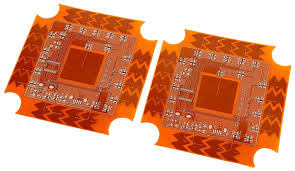
What factors affect the cost of PCB fabrication and assembly?
The choice of materials also significantly impacts the cost of PCB fabrication and assembly. The standard material for most PCBs is FR4, a fiberglass-reinforced epoxy laminate, which is relatively inexpensive. However, more advanced materials, such as high-frequency laminates, polyimide, or ceramic substrates, can raise the cost considerably. These materials are often used for applications that require higher performance, such as RF circuits, aerospace, or automotive electronics. The use of high-quality materials ensures better performance and reliability but comes at a premium price. Additionally, specialized coatings or surface finishes, such as gold plating or immersion silver, can also increase the overall cost of fabrication and assembly.
Another factor that affects the cost of PCB fabrication and assembly is the volume of production. High-volume production often results in lower per-unit costs due to economies of scale. Automated processes in PCB fabrication and assembly are more cost-effective when larger quantities are being produced, as machines can run at high speeds and with minimal labor input. In contrast, smaller production runs typically involve more manual labor and additional setup costs, making them more expensive per unit. For low-volume or prototype runs, the cost per PCB can be higher due to the need for specialized tooling, longer setup times, and the use of labor-intensive methods like hand soldering.
The type of components used in the assembly process also plays a crucial role in determining the cost. Components come in various shapes, sizes, and types, each with its cost implications. Surface-mount technology (SMT) components tend to be less expensive than through-hole components, and they can be placed using automated pick-and-place machines, which reduces labor costs. However, if the design requires a mix of both SMT and through-hole components, the assembly process becomes more complicated, as it may require different types of soldering methods, such as reflow soldering for SMT components and wave soldering or hand soldering for through-hole components. This added complexity increases both labor costs and the time required to complete the assembly.
Testing and quality control are also essential factors that can increase the cost of PCB fabrication and assembly. Thorough testing, such as in-circuit testing (ICT), automated optical inspection (AOI), and functional testing, is necessary to ensure that the PCB operates as intended and meets the required performance standards. The more rigorous the testing process, the higher the cost, especially if specialized equipment or manual inspection is involved. While testing is critical to ensure the quality and reliability of the product, it adds time and cost to the overall production process.
Lastly, the lead time required to complete the project can affect the cost. Rush orders or tight deadlines often incur additional fees, as manufacturers may need to expedite the production process, work overtime, or prioritize the job over others. While standard lead times may result in lower costs, urgent timelines often lead to increased prices due to the additional resources required to meet the deadline.