key considerations for selecting solder paste in Pcb rigid flex
Selecting the right solder paste is a critical decision in the manufacturing process of PCB rigid flex assemblies, as it directly impacts the quality, reliability, and performance of solder joints. Several key considerations must be taken into account to ensure optimal solder paste selection for rigid flex PCBs, considering the unique challenges and requirements posed by the combination of rigid and flexible substrates.
One of the primary considerations for selecting solder paste in PCB rigid flex assembly is the compatibility of the paste formulation with the specific materials used in the assembly. Rigid flex PCBs typically consist of a combination of rigid FR-4 substrates and flexible polyimide substrates, each with its own thermal and mechanical properties. The solder paste must be formulated to accommodate the differences in material characteristics to ensure reliable bonding and minimize the risk of delamination or mechanical failure.
Moreover, the solder paste’s rheological properties, such as viscosity and tackiness, are crucial factors to consider when selecting solder paste for pcb rigid flex assembly. The paste viscosity should be compatible with the component sizes, pad geometries, and assembly methods used in rigid flex PCBs to ensure proper solder paste deposition and reflow characteristics. Additionally, adequate tackiness is essential for holding components in place during assembly and preventing displacement or tombstoning.
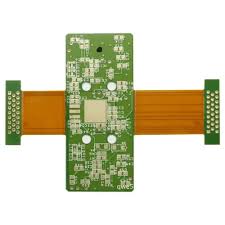
What are the key considerations for selecting solder paste in Pcb rigid flex?
Another key consideration for selecting solder paste in PCB rigid flex assembly is the solder alloy composition. Different solder alloys, such as leaded and lead-free formulations, offer varying melting temperatures, mechanical properties, and reliability characteristics. Manufacturers must carefully evaluate the requirements of their specific application, including temperature sensitivity, thermal cycling, and reliability standards, to determine the most suitable solder alloy for their rigid flex assemblies.
Additionally, the particle size distribution of the solder paste particles can impact solder joint quality and assembly process performance. Fine particle sizes enable smoother, more uniform solder paste deposition, improving solder joint formation and reducing the risk of solder bridging or solder balling defects. However, overly fine particle sizes may increase viscosity and stencil printing challenges, necessitating a balance between particle size and processability.
Furthermore, the flux chemistry of the solder paste plays a critical role in PCB rigid flex assembly, influencing wetting behavior, solder joint integrity, and post-soldering reliability. The flux should be formulated to remove oxides from metal surfaces, promote solder wetting, and prevent defects such as solder balls or voids. Additionally, the flux residue should be compatible with the assembly’s operating environment and cleaning processes to avoid corrosion or electrical leakage issues.
Consideration should also be given to the assembly process requirements and constraints when selecting solder paste for PCB rigid flex assemblies. Factors such as stencil printing capability, reflow soldering profile, and post-soldering cleaning methods may influence solder paste selection. Manufacturers must ensure that the chosen solder paste can meet the specific process parameters and performance criteria of their assembly line while maintaining consistency and reliability.
In conclusion, selecting the right solder paste is crucial for achieving high-quality and reliable solder joints in PCB rigid flex assemblies. By considering factors such as material compatibility, rheological properties, solder alloy composition, particle size distribution, flux chemistry, and process requirements, manufacturers can make informed decisions that optimize assembly performance and ensure the integrity of rigid flex PCBs in electronic devices.