advantages of using selective wave soldering in Printed circuit assembly services
Selective wave soldering is a specialized soldering technique used in printed circuit assembly services that offers several advantages over traditional wave soldering methods. This technique involves selectively applying solder to specific areas of a printed circuit board (PCB) using a precise nozzle or wave, rather than immersing the entire board in a bath of solder. Selective wave soldering provides greater control and flexibility in the soldering process, resulting in improved quality, efficiency, and reliability of PCB assemblies.
One of the primary advantages of selective wave soldering is its ability to solder through-hole components on a PCB without affecting sensitive surface-mount components or pre-soldered joints. Traditional wave soldering methods involve passing the entire PCB through a wave of molten solder, which can lead to unintended solder bridging or damage to delicate surface-mount components. Selective wave soldering allows for targeted soldering of through-hole components only, minimizing the risk of damage to surrounding components and ensuring precise and reliable solder joints.
Moreover, selective wave soldering offers greater flexibility and customization options for printed circuit assembly services, allowing manufacturers to solder components with varying thermal requirements, sizes, and geometries. By selectively controlling the flow of solder to specific areas of the PCB, manufacturers can tailor the soldering process to meet the unique requirements of each assembly, ensuring optimal solder joint quality and reliability. This flexibility is particularly beneficial for complex PCBs with mixed technologies and component types, where precise soldering control is essential for ensuring the integrity and functionality of the assembly.
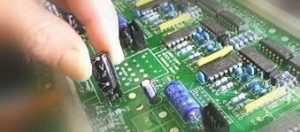
What are the advantages of using selective wave soldering in Printed circuit assembly services?
Additionally, selective wave soldering enables manufacturers to achieve higher levels of process automation and throughput, leading to increased productivity and cost savings. Unlike manual soldering methods, which require skilled operators to solder individual components by hand, selective wave soldering can be integrated into automated assembly lines, allowing for high-volume production with consistent quality and repeatability. By automating the soldering process, manufacturers can reduce labor costs, minimize human error, and improve overall efficiency in printed circuit assembly services.
Furthermore, selective wave soldering offers environmental benefits compared to traditional wave soldering methods. Because selective wave soldering only applies solder to specific areas of the PCB, it generates less solder waste and reduces the consumption of flux and other soldering materials. This not only helps to minimize the environmental impact of the soldering process but also reduces waste disposal costs and promotes sustainability in PCB assembly operations. Additionally, selective wave soldering produces fewer solder fumes and emissions, creating a safer and healthier working environment for operators.
In conclusion, selective wave soldering offers numerous advantages for printed circuit assembly services, including improved solder joint quality, flexibility, automation, and environmental sustainability. By selectively controlling the flow of solder to specific areas of the PCB, manufacturers can achieve precise and reliable soldering of through-hole components while minimizing the risk of damage to surrounding components. This enables greater customization, higher levels of automation, and increased productivity in PCB assembly operations, ultimately leading to higher quality, more efficient, and more cost-effective electronic products. As electronic devices continue to evolve in complexity and sophistication, the advantages of selective wave soldering in printed circuit assembly services will only become more pronounced, making it an indispensable technique for manufacturers seeking to achieve optimal performance and reliability in their products.