advantages of using a flexible circuit board
Flexible circuit boards offer a range of advantages that make them suitable for various modern electronic applications. One of the primary benefits is their ability to bend and conform to different shapes, allowing designers to develop compact and lightweight devices. This flexibility enables the use of flexible circuit boards in applications where traditional rigid printed circuit boards (PCBs) would not fit or function properly, such as in wearable devices, foldable gadgets, or medical implants. By replacing rigid components with flex circuits, manufacturers can significantly reduce the size and weight of electronic products, which is essential in industries like aerospace, automotive, and consumer electronics.
Another advantage of flexible circuit boards is their capability to simplify complex assemblies. Because they can be designed in three dimensions, flex PCBs can connect components located on different planes within an electronic device. This eliminates the need for multiple connectors, wiring, and interfaces that would otherwise be necessary in a rigid PCB setup. The reduction in parts not only saves space but also reduces the potential for electrical failures, enhancing the overall reliability of the device. Additionally, flexible circuit boards can reduce the time and cost associated with assembly by minimizing manual wiring and enabling automated manufacturing processes.
The durability and robustness of flexible circuit board also contribute to their widespread adoption. Flex PCBs are typically made from materials such as polyimide, which can withstand extreme temperatures, harsh chemicals, and mechanical stress. These properties make them suitable for use in environments where traditional PCBs would be prone to damage or failure. For instance, flexible circuit boards are used in automotive systems where they must endure vibration, heat, and moisture. In medical applications, they are found in devices that require sterilization and exposure to bodily fluids. Their resilience under challenging conditions helps extend the lifespan of electronic products, reducing maintenance and replacement costs.
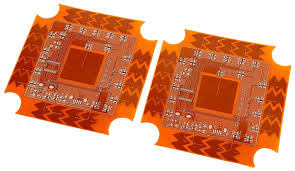
What are the advantages of using a flexible circuit board?
In addition to durability, flexible circuit boards offer excellent electrical performance due to their ability to maintain short and direct signal paths. By eliminating the need for lengthy connectors and cables, they reduce signal loss and interference, ensuring faster and more efficient data transmission. This is especially valuable in high-speed and high-frequency applications, such as telecommunications equipment and advanced computing systems. The consistent electrical characteristics of flexible circuit boards improve the reliability of signals and help optimize the performance of the entire electronic system.
Cost-effectiveness is another key advantage of using flexible circuit boards, particularly in high-volume production. Although the initial design and material costs for flex PCBs can be higher compared to rigid boards, the overall savings become apparent when considering factors such as reduced material usage, fewer connectors, simplified assembly, and lower failure rates. The ability to combine multiple layers in a single flex PCB can further reduce the need for additional components, making it an attractive option for mass production. The cumulative cost savings in materials, labor, and quality control can lead to significant reductions in the total cost of ownership.
Flexible circuit boards also support a wide range of applications, from consumer electronics to industrial and military uses. Their versatility allows them to be integrated into various devices, including smartphones, laptops, medical diagnostic equipment, automotive dashboards, and aerospace instrumentation. The capability to design custom shapes and layouts enables engineers to develop innovative solutions tailored to specific needs, driving technological advancements across industries. As technology continues to evolve, the demand for flexible circuit boards is expected to grow, further expanding their applications and advantages in the field of electronics.