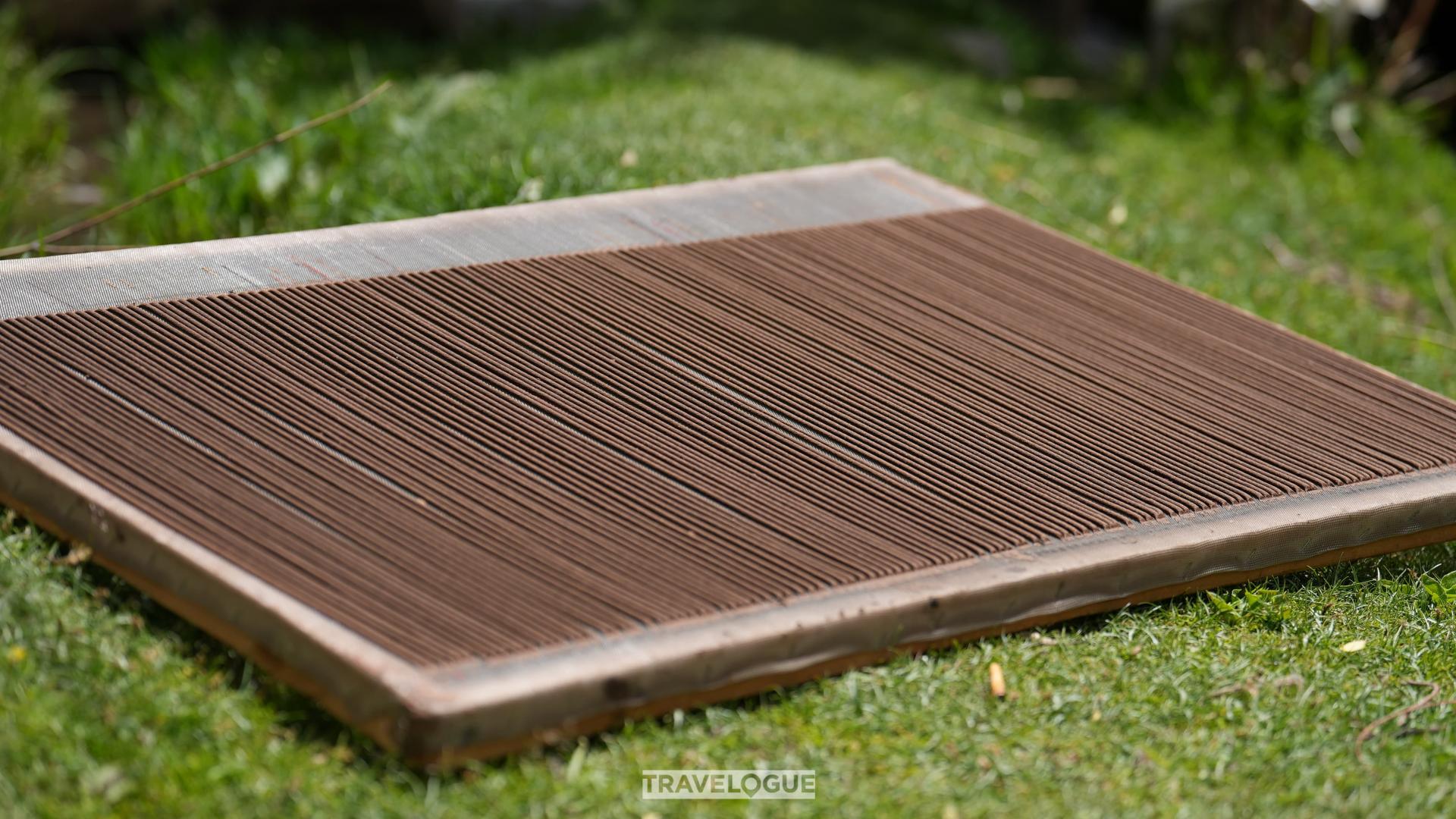
The Nimu tradition of making incense is a prime example of preserving biocultural heritage. Local artisanal households maintain proprietary formulations that include Crocus sativus and over 30 other endemic species. These formulations are processed using stone grinding and solar dehydration techniques. The final step is to bundle them together with red ceremonial threads.
Related Posts
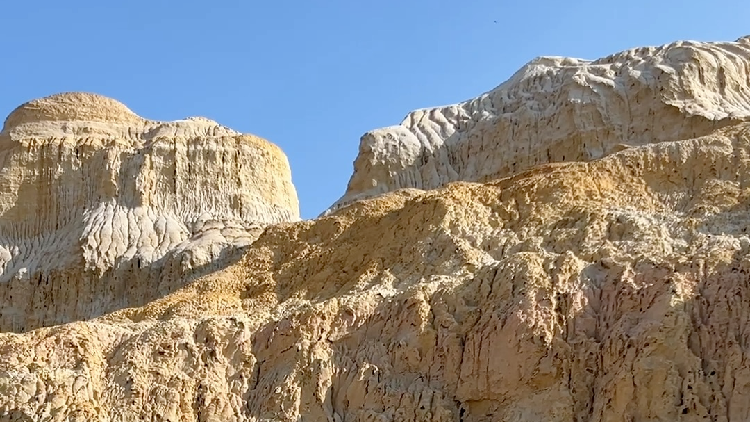
A vibrant ghost city on the sea—Yardang landform in Xinjiang
- admin
- September 10, 2025
- 0
On the eastern bank of Ulungur Lake in Xinjiang stretches around five kilometer long Yardang […]

Chinese wrestling meets Mongolian Bökh
- admin
- September 10, 2025
- 0
Tianjin wrestling expert Zhang Shaohua has embarked on a journey north with two young disciples […]
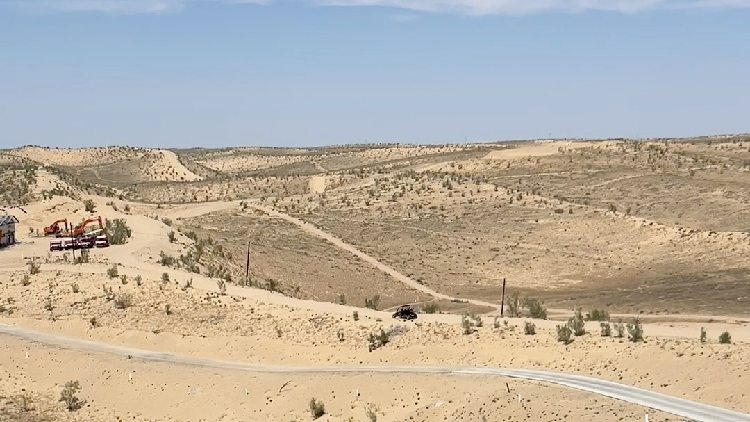
Gurbantunggut, a wet desert in Xinjiang
- admin
- September 9, 2025
- 0
Located in the Junggar Basin, the Gurbantunggut Desert is the second largest desert in China, […]
