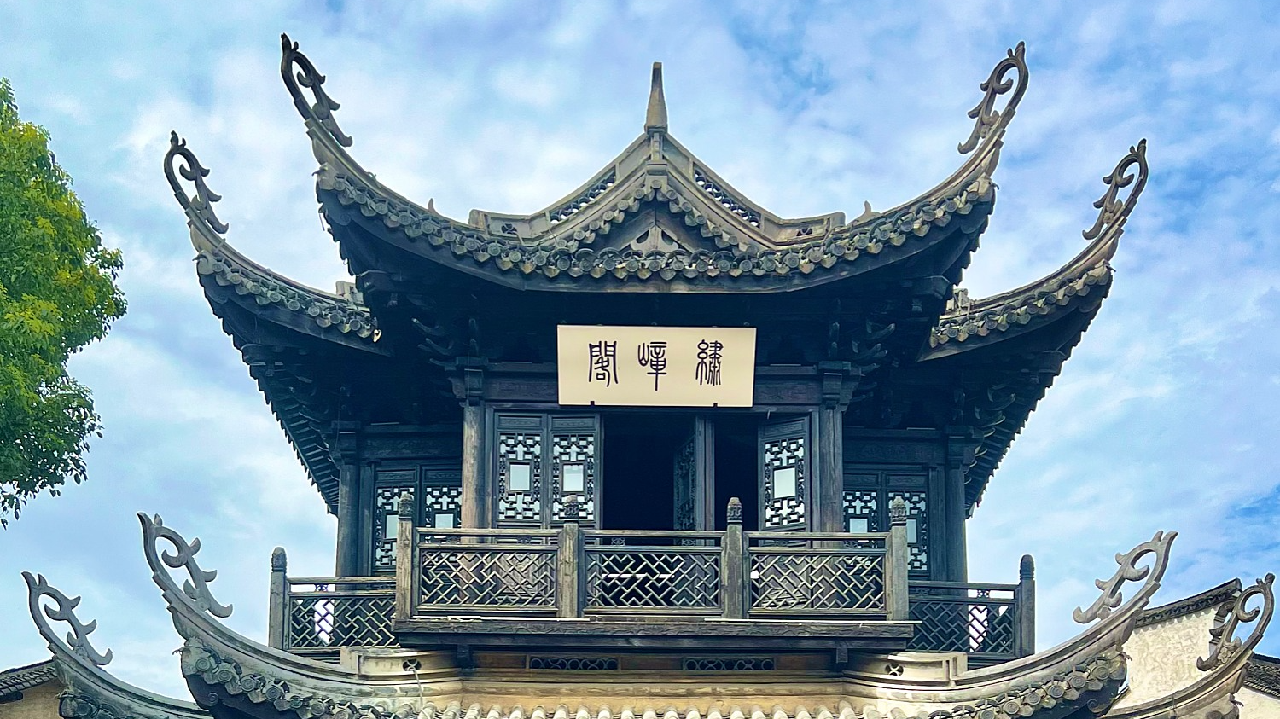
To get a glimpse of Wuxi in days gone by, visitors can take a tour of Huishan ancient town. Often referred to as the city’s open-air museum, the area features many historic buildings and ancestral homes.
The details of the architecture and their design allow us to understand the aesthetic pursuits and life interests of people in the Ming (1368-1644) and Qing (1644-1911) dynasties.
Caisson ceilings are a distinctive architectural feature often found in traditional Chinese buildings. With patterns such as auspicious symbols, mythical creatures, floral motifs, or geometric designs, the ceiling designs add aesthetic value to these buildings, demonstrating the skill and artistry of traditional Chinese artisans.
The corridors in ancient Chinese architecture are usually long, covered walkways that connect different buildings or parts of a complex. They also help to integrate the exterior landscape with the architectural spaces.
Related Posts
A vibrant ghost city on the sea—Yardang landform in Xinjiang
- admin
- September 10, 2025
- 0
On the eastern bank of Ulungur Lake in Xinjiang stretches around five kilometer long Yardang […]

Chinese wrestling meets Mongolian Bökh
- admin
- September 10, 2025
- 0
Tianjin wrestling expert Zhang Shaohua has embarked on a journey north with two young disciples […]
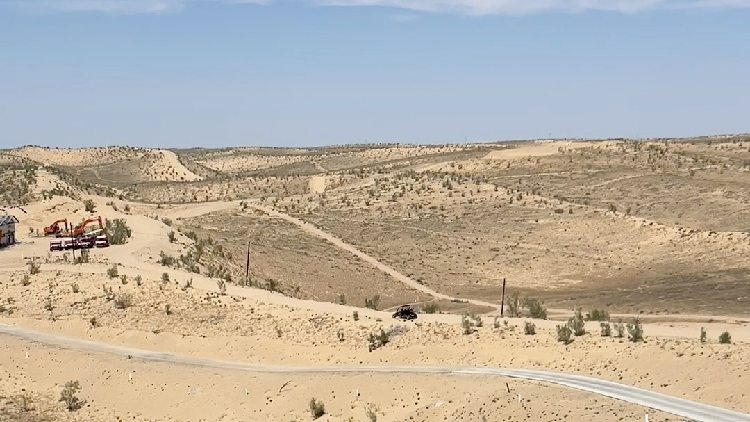
Gurbantunggut, a wet desert in Xinjiang
- admin
- September 9, 2025
- 0
Located in the Junggar Basin, the Gurbantunggut Desert is the second largest desert in China, […]
