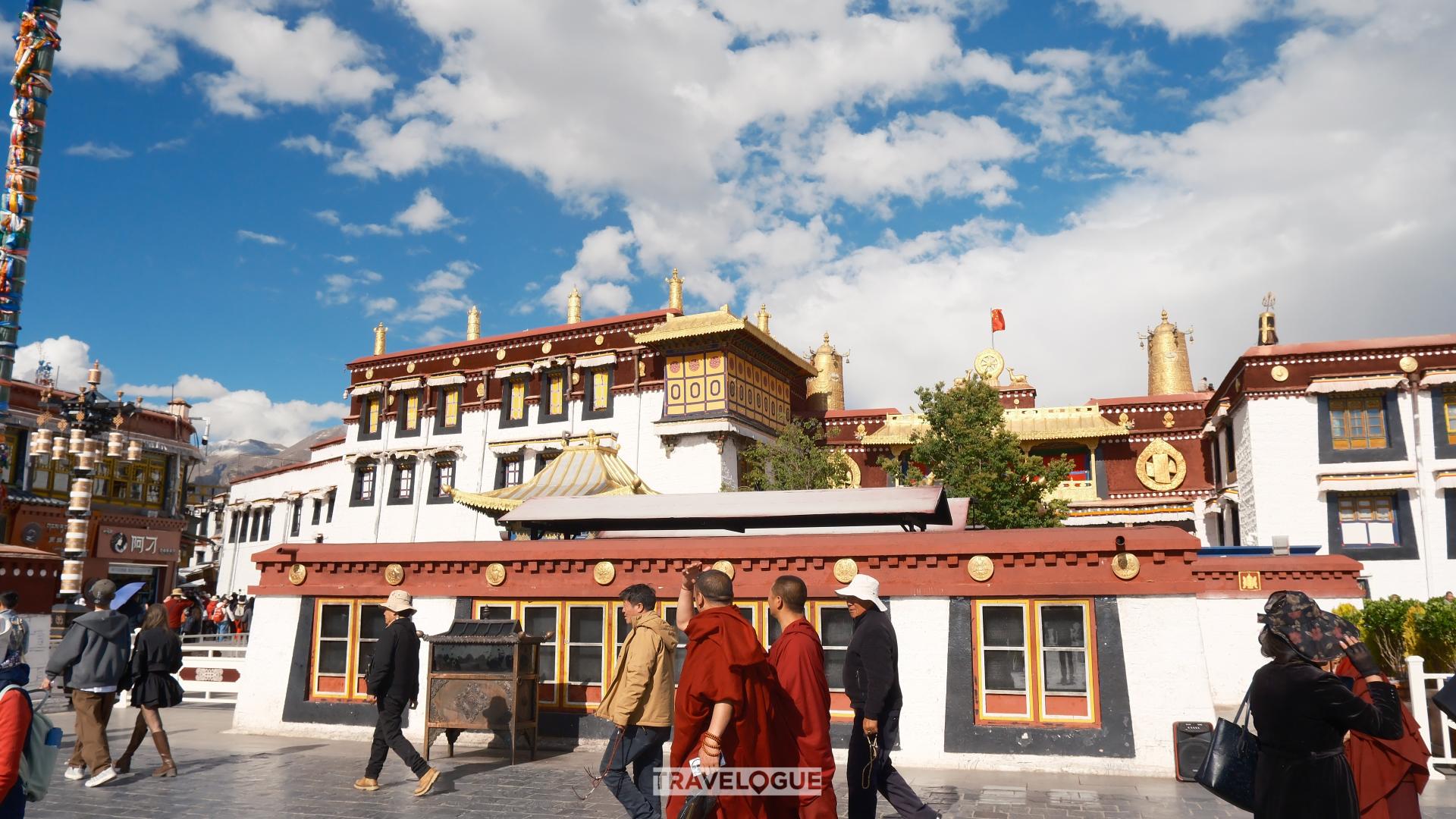
Functioning as Lhasa’s spiritual and commercial center since the 7th century, Bakuo Street demonstrates thirteen centuries of continuous cultural integration. Its architectural fabric and culture preserve evidence of sustained exchanges between Tibetan traditions, Central Asian trade networks and broader Eurasian influences, establishing the place as a vital repository of trans-Himalayan socioeconomic and religious history.
Related Posts
A vibrant ghost city on the sea—Yardang landform in Xinjiang
- admin
- September 10, 2025
- 0
On the eastern bank of Ulungur Lake in Xinjiang stretches around five kilometer long Yardang […]

Chinese wrestling meets Mongolian Bökh
- admin
- September 10, 2025
- 0
Tianjin wrestling expert Zhang Shaohua has embarked on a journey north with two young disciples […]
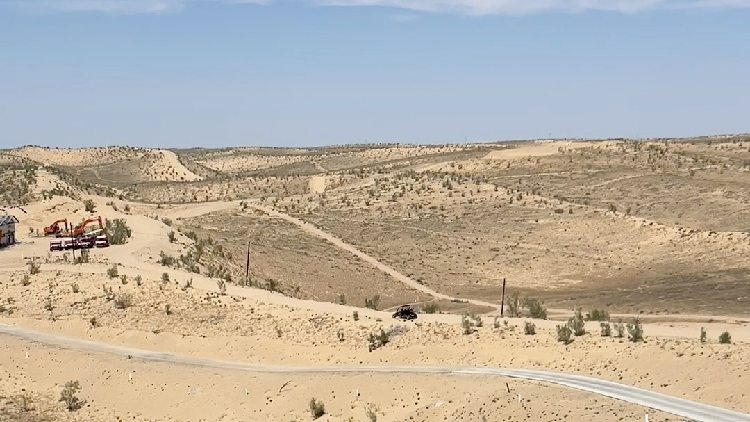
Gurbantunggut, a wet desert in Xinjiang
- admin
- September 9, 2025
- 0
Located in the Junggar Basin, the Gurbantunggut Desert is the second largest desert in China, […]
