Flexible Printed Circuit Manufacturers
The flexible printed circuit (PCB) industry is a highly dynamic and innovative sector in the electronics market. The technology has become a crucial component in various electronic devices, including smartphones and tablets, for which it offers the opportunity to create thinner and lighter designs. Furthermore, the growing wearable tech industry has created a significant market opportunity for flexible PCBs in applications such as smartwatches and fitness trackers that require a compact profile and advanced functionality. However, the manufacturing process of flex PCBs poses several challenges that must be overcome to maintain quality and reliability.
The most critical challenge facing flexible PCB manufacturers is ensuring the durability of their products. This is due to the physical stress that flexible PCBs are designed to endure, which can cause mechanical failure and damage. Manufacturers must implement rigorous testing and quality control to ensure their products are able to withstand the demanding requirements of their intended application.
In addition, the specialized materials used in flexible printed circuit manufacturers pose other manufacturing challenges. For example, different types of material have varying thermal expansion and moisture absorption properties that affect the consistency of their performance. This can lead to problems in the manufacturing process, such as misalignment and defects in laminated layers.
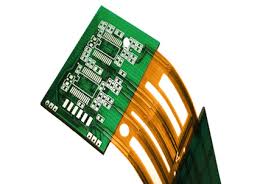
Key Challenges for Flexible Printed Circuit Manufacturers
To minimize these issues, manufacturers must choose the appropriate base material and copper foil thickness to suit their specific application. They must also carefully plan the layout of flex areas to prevent stress points that can cause failure. Lastly, they must also choose the right adhesive for bonding the layers, as this can have a direct impact on the durability of a flexible PCB.
Moreover, the flexibility of a flexible circuit board depends on how well it is plated. This requires the use of an electroless plating process that allows for the formation of reliable vias — or electrical connections — between layers in multilayer FPCs. This process requires precise alignment and etching to prevent unintended gaps and shorts.
In addition, manufacturing processes such as photolithography, imaging, and etching must be carried out with great care to ensure that the copper is properly defined for circuit paths. This is because any unintended gaps can result in unwanted solder bridges and poor electrical performance. In order to avoid these issues, flexible PCB manufacturers must utilize specialized equipment and processes to ensure high-quality fabrication.
The burgeoning demand for flexible PCBs in the consumer electronics industry is creating numerous opportunities for manufacturers to expand their product offerings. The flexibility of these products enables them to be integrated into compact and lightweight devices, which are more comfortable for users to hold and use. This is especially important in the growing wearable tech industry, where flexible PCBs can be incorporated into devices such as smartwatches and fitness trackers to deliver advanced functionality and comfort. In the future, strategic partnerships between flexible PCB manufacturers and material suppliers could offer further opportunities to innovate and improve the performance of flex PCBs in new applications.