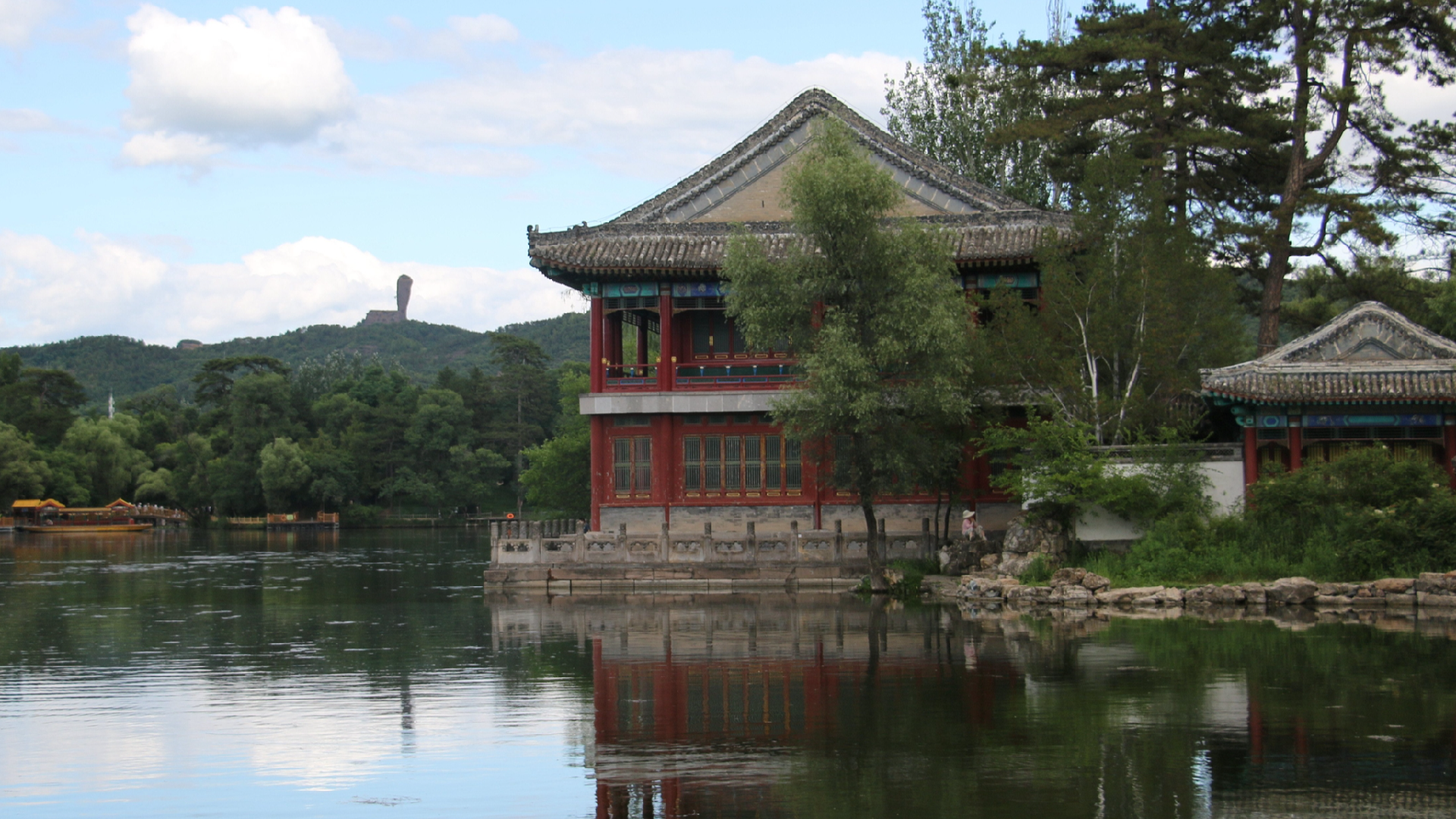
<img src='https://news.cgtn.com/news/2025-07-06/Chengde-Mountain-Resort-Imperial-grandeur-and-natural-harmony-1EMIYnA5U0E/img/fbbfdc12a75246d09866296615a20a52/fbbfdc12a75246d09866296615a20a52.jpeg'A view of the Chengde Mountain Resort, an imperial garden complex in Chengde, Hebei Province on July 5, 2025. /IC
<img src='https://news.cgtn.com/news/2025-07-06/Chengde-Mountain-Resort-Imperial-grandeur-and-natural-harmony-1EMIYnA5U0E/img/fbbfdc12a75246d09866296615a20a52/fbbfdc12a75246d09866296615a20a52.jpeg'A view of the Chengde Mountain Resort, an imperial garden complex in Chengde, Hebei Province on July 5, 2025. /IC
<img src='https://news.cgtn.com/news/2025-07-06/Chengde-Mountain-Resort-Imperial-grandeur-and-natural-harmony-1EMIYnA5U0E/img/fbbfdc12a75246d09866296615a20a52/fbbfdc12a75246d09866296615a20a52.jpeg'A view of the Chengde Mountain Resort, an imperial garden complex in Chengde, Hebei Province on July 5, 2025. /IC
<img src='https://news.cgtn.com/news/2025-07-06/Chengde-Mountain-Resort-Imperial-grandeur-and-natural-harmony-1EMIYnA5U0E/img/fbbfdc12a75246d09866296615a20a52/fbbfdc12a75246d09866296615a20a52.jpeg'A view of the Chengde Mountain Resort, an imperial garden complex in Chengde, Hebei Province on July 5, 2025. /IC
The Chengde Mountain Resort, a Qing Dynasty summer palace located in Chengde City, Hebei Province, was built between 1703 and 1792. This vast complex, a UNESCO World Heritage Site since 1994, encompasses palaces, administrative and ceremonial buildings, and imperial gardens that blend harmoniously with a landscape of lakes, pastureland, and forests. Spanning 564 hectares, it is China’s largest imperial palace garden and temple complex. Beyond its aesthetic appeal, it stands as a rare historical remnant of the final development of Chinese feudal society. Emperors used it as a summer retreat and a second political center for state affairs and diplomacy.
This masterpiece of Chinese landscape garden design meticulously follows the topography of the hills and water, embodying the principles of feng shui. It is divided into four main zones: the palace area, the lake area, the plain area, and the mountain area. The resort is famed for its 72 scenic spots, many replicating famous southern Chinese landscapes.
The pinnacle of Chinese garden art, Chengde’s design influenced 18th-century landscape gardening worldwide, particularly in Europe, thanks to its distinctive fusion of architecture and nature. The garden’s historical value led to its designation as a national protected site in 1961 and subsequent ongoing preservation efforts. Today, it is a State Priority Protected Site and a Class 5A tourist attraction.