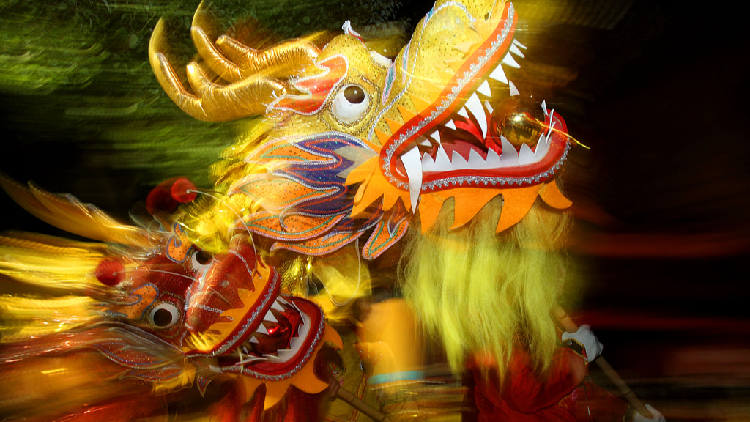
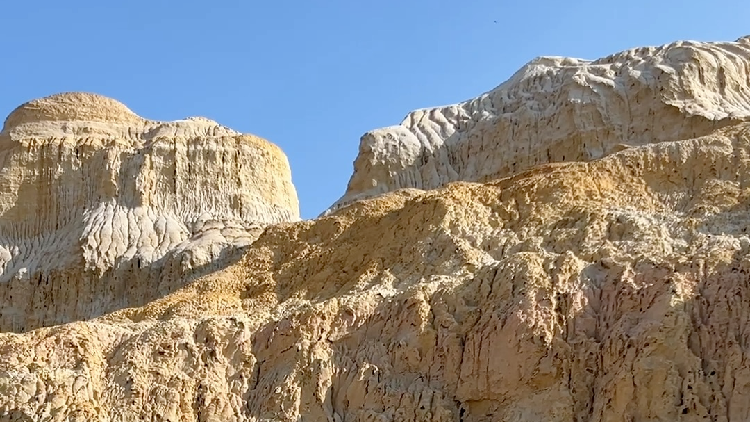
The dragon dance is a time-honored traditional folk activity in Chinese culture, often observed during festive celebrations, much like the lion dance.
Typically, the “dragon” is kept in the local Dragon King temple. On the day of the celebration, led by banners, gongs, drums, and horns, the dragon’s body is reverently brought out from the temple. The dragon head and tail are affixed, followed by a ceremony to dot the eyes of the dragon, symbolizing the belief that this act brings the dragon to life.
The culture of dragon and lion dances has spread beyond China to southeast Asia, and even to some regions with significant Chinese communities in Europe, America, Australia, and New Zealand. It has become a significant symbol of Chinese culture.
Related Posts
A vibrant ghost city on the sea—Yardang landform in Xinjiang
- admin
- September 10, 2025
- 0
On the eastern bank of Ulungur Lake in Xinjiang stretches around five kilometer long Yardang […]
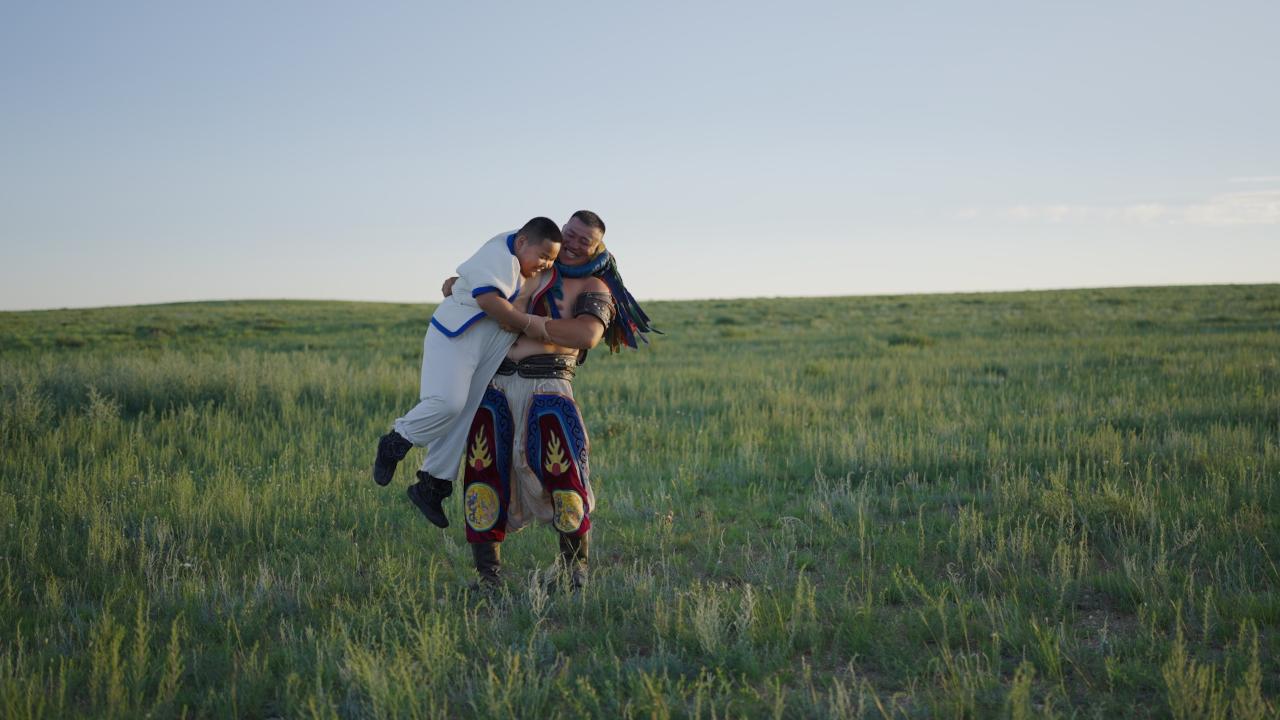
Chinese wrestling meets Mongolian Bökh
- admin
- September 10, 2025
- 0
Tianjin wrestling expert Zhang Shaohua has embarked on a journey north with two young disciples […]
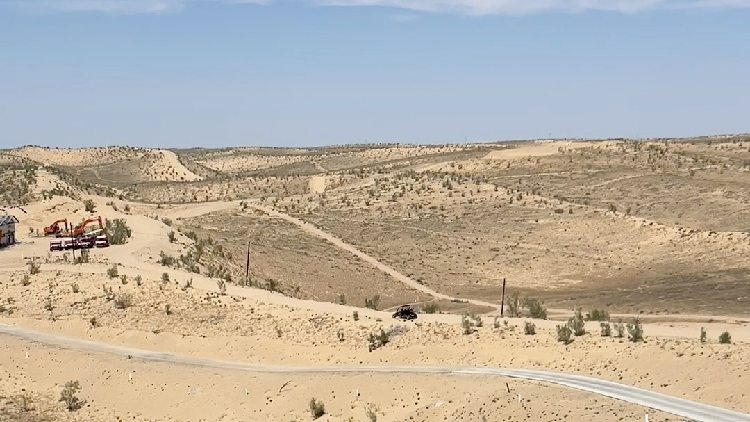
Gurbantunggut, a wet desert in Xinjiang
- admin
- September 9, 2025
- 0
Located in the Junggar Basin, the Gurbantunggut Desert is the second largest desert in China, […]
