flex circuit pcb
Flex circuit PCBs, also known as flexible printed circuit boards or flex PCBs, represent a specialized form of printed circuit board that offers exceptional flexibility and versatility in electronic design and manufacturing. Unlike traditional rigid PCBs, which are made from rigid substrates such as fiberglass or epoxy, flex circuit PCBs are constructed using flexible polymer materials such as polyimide or polyester films. These flexible substrates allow the PCBs to bend, twist, and conform to complex shapes, making them ideal for applications where space constraints, weight savings, and mechanical flexibility are essential considerations.
The construction of flex circuit pcb typically involves multiple layers of flexible substrate material laminated together with conductive traces, insulating layers, and protective coatings. These layers are interconnected using plated through-holes or vias, enabling electrical signals to pass between different circuit layers while maintaining the overall flexibility of the PCB. Additionally, surface-mounted components such as resistors, capacitors, and integrated circuits can be soldered directly onto the flex circuit, eliminating the need for bulky connectors and reducing assembly complexity.
Flex circuit PCBs offer several key advantages over rigid PCBs, making them well-suited for a wide range of applications across various industries. One of the primary advantages of flex circuit PCBs is their ability to reduce space and weight in electronic devices. The flexibility of flex circuit PCBs allows them to be bent and folded to fit into tight spaces and conform to irregular shapes, enabling designers to create compact and lightweight electronic systems without sacrificing performance or functionality.
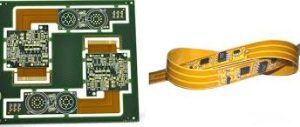
What is a flex circuit pcb?
Moreover, flex circuit PCBs offer improved reliability and durability compared to rigid PCBs in certain applications. The absence of solder joints and connectors in flex circuit designs reduces the risk of mechanical failure and electrical discontinuities, resulting in greater overall reliability and longevity of the electronic system. Additionally, the flexible nature of flex circuit PCBs helps absorb mechanical shocks and vibrations, making them suitable for use in ruggedized and high-stress environments.
Furthermore, flex circuit PCBs offer enhanced design flexibility and scalability, allowing engineers to create custom solutions tailored to specific application requirements. The ability to design complex, three-dimensional shapes and incorporate multiple layers of circuitry within a single flex circuit PCB enables the integration of diverse electronic components and functionalities into a compact and streamlined package. This versatility makes flex circuit PCBs well-suited for applications ranging from consumer electronics and medical devices to aerospace and automotive systems.
In addition to their flexibility and versatility, flex circuit PCBs offer improved signal integrity and electrical performance compared to traditional wiring harnesses and interconnect solutions. The short signal paths and controlled impedance characteristics of flex circuit designs help minimize signal loss, noise, and electromagnetic interference, ensuring reliable signal transmission and high-speed data transfer in demanding applications. This makes flex circuit PCBs an attractive choice for high-frequency and high-speed digital and analog circuits.
In conclusion, flex circuit PCBs represent a unique and innovative approach to electronic design and manufacturing, offering unparalleled flexibility, reliability, and performance in a wide range of applications. Their ability to reduce space and weight, improve reliability and durability, and enhance signal integrity and electrical performance makes them an indispensable component in modern electronic systems. As technology continues to evolve, flex circuit PCBs are expected to play an increasingly important role in enabling the development of smaller, lighter, and more advanced electronic devices across diverse industries.